“I have zero dance experience.”
Start with foundational movement and rhythm instead of assuming you already know dance terminology or how to follow choreography.
 RoomTempo
Try a lesson
RoomTempo
Try a lesson
Short video lessons help adults with no dance background explore basic movement, find the beat and practise simple combinations at home. Start where you feel comfortable: in front of your phone, laptop or television.
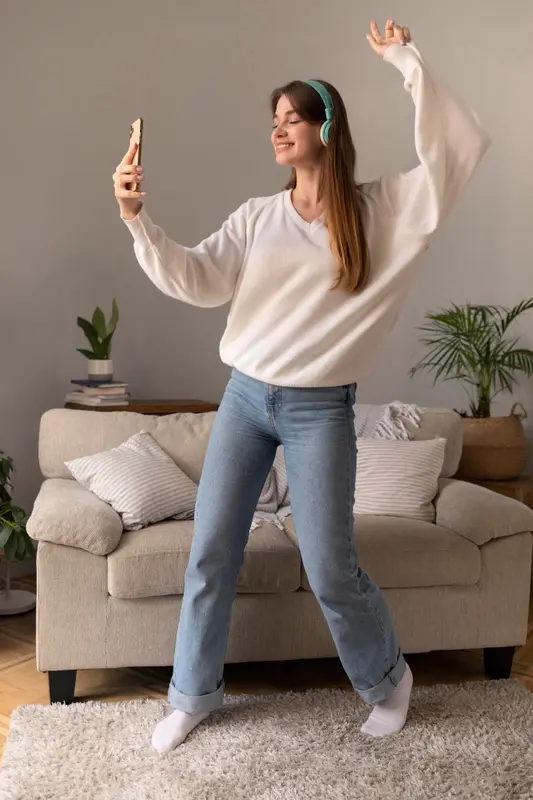
The course is built for adults with no dance experience, people with busy schedules, and anyone who finds a studio setting uncomfortable as a starting point. The emphasis is on approachable practice at home rather than keeping up with a room full of dancers.
Start with foundational movement and rhythm instead of assuming you already know dance terminology or how to follow choreography.
Short online lessons make it easier to fit practice around work and everyday routines.
Practise privately before deciding how visible you want your dancing to be.
Each part builds on the same beginner-friendly idea: understand the movement first, then connect it to the beat, then place a few movements together.
Explore comfortable weight shifts, direction changes and simple step patterns without rushing into long choreography.
Practise noticing the pulse and matching easy movements to a steady beat, so the music becomes a guide rather than a distraction.
Bring familiar steps together in short sequences that can be repeated until they feel less like instructions and more like movement.
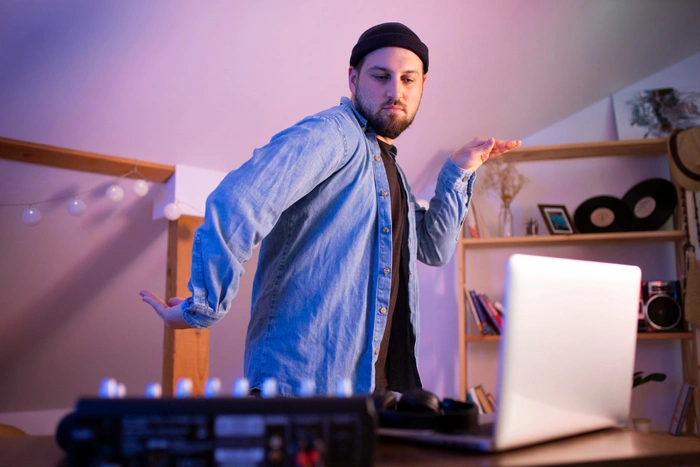
Lessons are delivered as short videos that you can follow from a phone, laptop or television. The format lets you revisit a movement, repeat a section and practise away from the pressure of a studio floor.
The learning path stays rooted in the same essentials: movement, rhythm and combinations. The difference is how much you connect at once.
Get comfortable copying basic movements and changing direction.
Match familiar movements to rhythm and repeat them with more ease.
Connect a small sequence and practise moving through it without stopping at every step.
The instructor demonstrates beginner movements in a way designed to be followed on screen at home. The role is not to turn the first lesson into a performance test, but to make the movement clear enough that you can watch, try, pause and repeat.
Because the course is aimed at adults without prior training, the teaching stays focused on basic movement, rhythm and simple combinations rather than assuming studio experience.
At celebrations, one beginner would stay near the edge of the room and avoid the dance floor altogether. Starting at home with short lessons made the first attempts feel private enough to keep going.
Over time, familiar steps and rhythm practice made it easier to join in at parties without overthinking every move. When she finally did, the reaction was surprise: friends and family simply had not expected to see her dancing with that much ease.
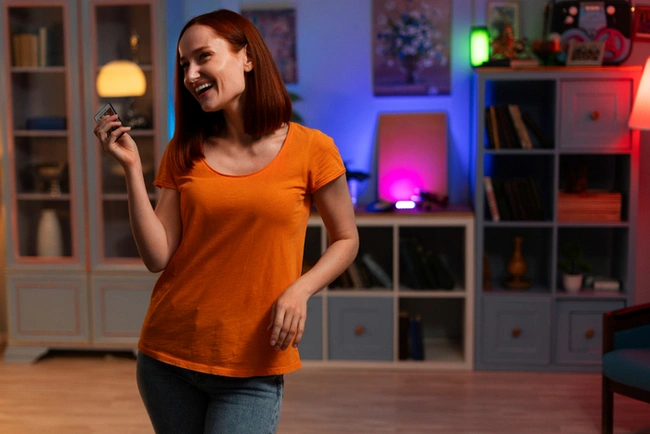
Instead of trying to memorise a long routine, practice can centre on one manageable idea at a time: a step pattern, a rhythm exercise or a simple combination.
Repeat a basic movement pattern until changing weight and direction feels less mechanical.
Use a steady pulse to connect movement with rhythm instead of counting every action separately.
Put a few known movements together and practise the transition between them.
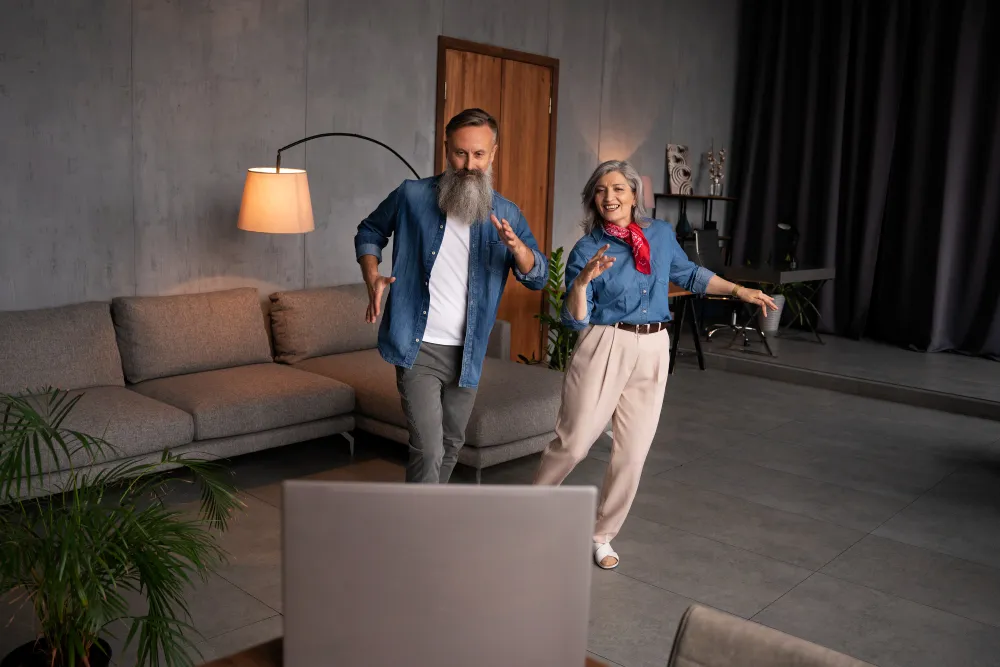
Choose whether you want to begin with a trial lesson or ask about the full course before making a purchase decision.
Request a trial lesson to experience the short-video format and decide whether it suits the way you prefer to learn.
Request trialAsk about full-course access covering basic movement, rhythm practice and simple combinations.
Ask about the courseThe course can include feedback based on a learner’s practice video. Sharing a short clip gives the instructor a clearer view of the movement than a text description alone, making it easier to point out what to keep practising and where the rhythm or transition needs more attention.
Questions beginners often have when the course starts at home rather than in a studio.
No. The course is intended for adults without dance training and starts with basic movements, rhythm and simple combinations.
A phone, laptop or television can be used to follow the short video lessons. You also need enough room to move comfortably and safely.
That is exactly why the home format can suit beginners who are uncomfortable starting in a studio. You can pause, repeat and practise privately.
Yes. The application form lets you choose a trial lesson or an enquiry about the full course.
No specific result is guaranteed. The course provides structured beginner practice; progress depends on the learner, practice and comfort level.
Request a trial lesson if you want to see how short, screen-based practice feels before asking about the full course.
Choose a trial lesson or a full-course enquiry. We will use the details you submit to respond to your request.